Trigger Warning: This post may be too raw for some, but I believe it’s important to illustrate the impact psychologically unsafe workplaces can have. This is a continuation of the personal story I have been telling through my blog series. In this post, I’ll be discussing the lowest points in my mental health journey, and that may be upsetting for some. Take care and reach out to your loved ones for support. If you are in Canada or the US, you can call or text 988 for support, anytime.
I was overjoyed when I moved from Fort McMurray to Edmonton; I believed I was going to get my life back on track. I had escaped the unsafe situations at my workplace in Fort McMurray. I thought a bigger city would be more civilized, respectful, and safe. It definitely was, but it wasn’t perfect, and the damage to my well-being had already been done. I thought I was going to be able to move on from my Fort McMurray experience without an issue, but I was mistaken. Over the next year, my mental and physical health deteriorated as I processed/absorbed and attempted to run from the trauma I had experienced.
I need to mention that this was not my first traumatic experience or brush with poor mental health. I have been managing anxiety and depression since I was 13 years old. My mental health would fluctuate, being somewhat normal at times and slipping into depressive periods where I was non-functional. I always managed to get myself out of the slumps, which made me confident that I had everything under control. My great support system rallied around me and helped bring me back out of the darkness. I also lived a full life with school, jobs, friends, and a romantic relationship. You probably wouldn’t have been able to tell there was anything wrong on the outside – I was a pro at hiding my pain.
What I’m trying to say is I didn’t come into Fort McMurray with no mental health concerns. That’s an important qualifier, but that does not negate the traumatic experience I had that significantly worsened my health. The truth is, that we are all human; we all experience various forms of trauma and pain, and we all have histories of injuries and experiences that we carry with us to every new workplace we enter. No workplace should ever exacerbate or worsen our health, regardless of our previous conditions.
I truly enjoyed my time in Edmonton; the city will always have a special place in my heart. I had newfound freedom and made a ton of friends to celebrate with. I worked on several construction sites and had a much better experience than Fort McMurray. Things were going well for me… except my health began to deteriorate.
I began to drink on many weeknights, and increasingly alone. I didn’t think much of it, and alcohol use is pretty common in construction, so I could easily brush it off as being one of the boys. I have distinct memories of drinking 6 tall boys or approximately 12 beers on a weeknight by myself, up until midnight, and then waking up at 4 or 5 am for work. This was tame compared to the substance abuse I saw in Fort McMurray.
Not only were my drinking habits changing, but my moods when I was drinking were also different. For the first time, I was occasionally an angry drunk. I had two incidents where I remember confronting or being verbally aggressive with a man about something related to being a woman (I cannot remember now what they were about). I remember reflecting after one of the situations that this was not a fun party trick I was developing.
Then I started having violent dreams and nightmares. The recurring dream I had was of me being chased or hunted by someone with a gun who wanted to kill me. I never knew the person, they never caught me, and I never felt safe. I think these started to get bad when I learned that my foreman fired for harassing me, was rehired by the company to another worksite. Nobody from the company informed me; I heard from two peers who still worked there.
When I was still working in Fort McMurray, and after he was fired, I would imagine my foreman coming to the site to find me and kill me. I was so afraid of a possible retaliation. During my regular workday, I would map out my location in the room and the nearest exits, planning my escape if someone was going to attack me. I have a specific memory of being on a scissor lift, raised maybe 20 ft in the air, an exposed sitting duck, looking at the main entrance to the room and imagining him coming in with a gun. I would replay this vision regularly in Edmonton, an experience I now understand to be a flashback. Although I had left Fort McMurray, I was still living as if I was there almost every day, and the more I ran from it (through alcohol), the worse it got.
You have likely figured out by now that I was experiencing Post-Traumatic Stress Disorder, which is defined in the Oxford Dictionary as “a condition of persistent mental and emotional stress occurring as a result of injury or severe psychological shock, typically involving disturbance of sleep and constant vivid recall of the experience, with dulled responses to others and to the outside world.” I’m not going to go into the DSM definition or the nuances of PTSD. The point I’m making is that, thanks to my experience in Fort McMurray, I had just picked up another mental health diagnosis.
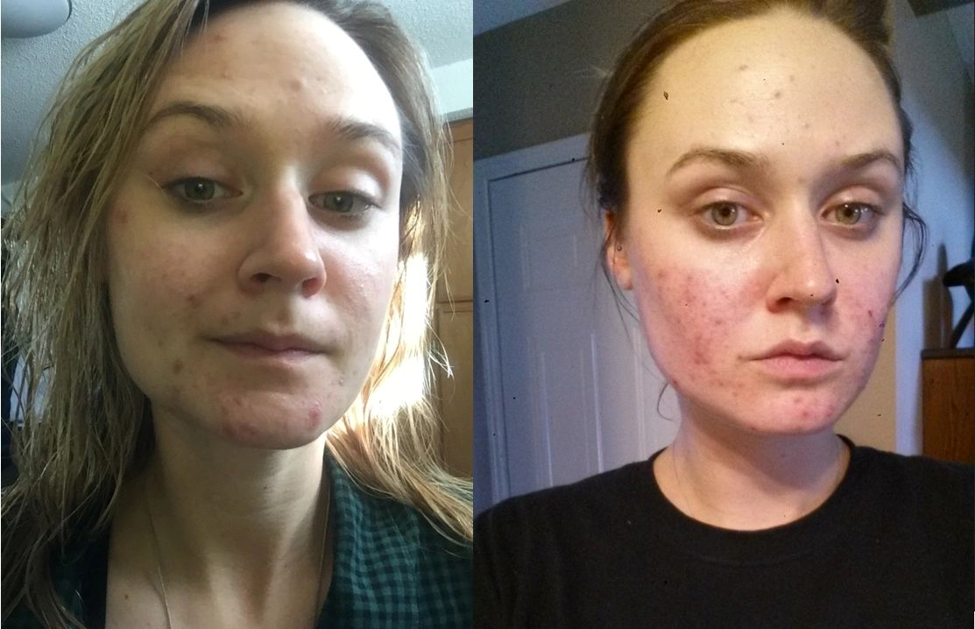
My physical health began to suffer as well, as both the physical nature of the job, my lack of self-care, and poor nutrition choices began compounding. The most noticeable change was the skin on my face, which was painful with the amount of acne I consistently had. I thought the acne was from dust and dirt on the construction sites, but it was more likely influenced my stress, alcohol, cigarettes, and my anxious habit of picking my face. My hands were showing the wear as well. I would look at my hands at the end of a workday and see cuts, dirt, callouses, and yellow fingers from cigarettes, and think, is this what I want my future to look like?
My stress also made itself known in my muscles, as I developed musculoskeletal injuries from poor ergonomics at work and stress. My body was in constant fight or flight, which meant my muscles were always tense from hypervigilance. I was performing a physically demanding and repetitive job with very little sleep, and poor nutrition, and my body was tense all the time. This led to the muscles in my neck and shoulders becoming solid like a brick wall, knots lined up next to each other. My chiropractor told me that I had a brick back a few years ago (in 2023). This injury affects me to this day, but more on that another time.
At the time, I was in constant physical pain, which I reported as an injury at work, and sought medical treatment, only to be prescribed muscle relaxers as the treatment from the doctor. I didn’t know what was going on with me but I knew that being 24 years old on muscle relaxers to function was a bad sign.
Through all of this, I was tough. I was toughing it out. I was an independent woman in the trades, and I was determined to make it work. Unfortunately, I was unwell and misguided about where I needed to go. I was so determined to run away from my problems and force myself to continue working that I forced myself into an infirmary. My situation was not helped by the fact that I was still being treated differently for being a woman in the trades in Edmonton.
My last foreman in Edmonton would openly talk about how women belong in the kitchen in front of me and my peers. He made a point to tell me he would not be hiring any more women because they were too distracting for his team. He never touched me, thankfully, but he made it very clear I was unwelcome. Not only was he verbally making me uncomfortable, but I would also be assigned tasks that other apprentices were not. We would regularly receive our material from a truck outside and load it onto a machine to take it into the building. We were working on the project in the middle of winter in Edmonton, so – 30 degrees Celsius temperature was the norm. For some reason, the other male apprentices would rotate who would unload the truck outside. I was always selected as the second person.
I quit that job without any plan because I could not cope with being at work anymore. I had a breakdown one week alone at the top of my scissor lift when my coworker came and pulled the e-stop while I was fully raised. This made me unable to control the scissor lift, I was stuck in place. The next week, one crude sexual joke in the lunchroom set me off, and I immediately quit. I was done exposing myself to this environment. My last few weeks in Edmonton were a surreal experience and the lowest point of my life as I tried to figure out what was next.
My life then revolved around driving to various parking lots and smoking cigarettes in my car. It was the only activity that comforted me (other than drinking alcohol). I couldn’t sleep due to violent dreams where I was being hunted, and couldn’t eat because I was constantly nauseous and had no appetite. My symptoms got worse when I was around groups of men or fighting with my boyfriend. When I would talk about my mental health with my boyfriend, I would feel like I was covered in tightly wrapped saran wrap, immobilized and gasping for breath. I was not able to express how I was feeling (because I didn’t understand) and he didn’t know how to support me. My anxiety was literally suffocating me.
When I was alone in my car smoking cigarettes and listening to music in random parking lots, I felt safe. When I drank alone, I felt free—a small window of reprieve from my nightmare existence. I knew this was unsustainable. I needed to go home to my family in Ontario, and I knew my relationship with my boyfriend was over. I had come to the end of the road and was in so deep that I could not get myself out of it alone. I decided to stop running from myself and do the healing that I had needed to do to finally be well. And that was the beginning of the next chapter of my life.
I must mention that my privilege allowed me to transition from the lowest point of my life to a warm safety net in my white, Canadian-born, middle-class family’s home. I had shelter, food, transportation – all of my basic needs covered. I had nothing to worry about except finding and paying for therapy and paying my basic personal bills. I cannot even imagine where I would be now if I did not have this privilege. I can imagine how people end up without homes and jobs when they come upon hard times. When you’re in crisis, it’s incredibly challenging to problem solve and it’s impossible without a good support system. This is why we need more robust support for people experiencing mental health concerns in general and specifically those experiencing bullying/harassment at work.
The Mental Health Toll of Unsafe Workplaces
Psychologically unsafe workplaces don’t just make employees uncomfortable—they can cause serious and lasting harm. According to research by the World Health Organization (WHO) and the Centre for Addiction and Mental Health (CAMH), hostile or toxic work environments are linked to an increased risk of anxiety, depression, burnout, and even post-traumatic stress disorder (PTSD). Here are some of the ways they impact mental health:
· Chronic Stress and Anxiety: Constant exposure to workplace hostility triggers a prolonged stress response, leading to issues like high blood pressure, digestive problems, and weakened immune function.
· Burnout and Emotional Exhaustion: Employees who are undermined, excluded, or harassed often experience burnout, which can manifest as extreme fatigue, irritability, and feelings of hopelessness.
· Post-Traumatic Stress Disorder (PTSD): Like my own experience, individuals who endure workplace harassment, bullying, or other traumatic events may develop PTSD, experiencing flashbacks, nightmares, and heightened vigilance.
· Increased Substance Use: Many people, including myself, turn to alcohol or other substances as a coping mechanism when they lack adequate support or resources to deal with workplace stress.
· Physical Manifestations: The mind-body connection means that psychological distress often leads to physical symptoms such as chronic pain, headaches, muscle tension, and digestive issues.
The reality is that our work environments shape our mental and physical health in profound ways. When workplaces are unsafe, employees pay the price in ways that extend far beyond the job site.
What You Can Do:
Recognize the Signs – If you’re experiencing increased stress, anxiety, depression, or physical symptoms, take them seriously. Your body is telling you something isn’t right.
Seek Support – Reach out to trusted colleagues, friends, family, or a therapist. Talking about your experience can help you process it and get guidance on what to do next.
Document Everything – If you’re dealing with harassment or discrimination, keep a record of incidents. This can be useful if you decide to report it.
Establish Boundaries – If possible, set limits on exposure to toxic individuals or situations at work.
Prioritize Your Well-being – If your workplace is making you ill, consider your options for changing roles, seeking accommodations, or even leaving the organization if necessary.
I share my story not just to reflect and heal, but to highlight a truth too many of us have lived: workplaces have a profound effect on mental health. A toxic job can derail lives, while a safe and supportive one can uplift them. It’s time we prioritize psychological safety in every workplace—because no one should have to suffer to make a living.
If you need help, please reach out to 988, or me. I’d love to share some resources I’ve become familiar with. If this post resonates with you, please share it with others. Let’s keep this conversation going. Thank you for reading.
Resources:
World Health Organization – Mental Health at Work. https://www.who.int/teams/mental-health-and-substance-use/promotion-prevention/mental-health-in-the-workplace#:~:text=Depression%20and%20anxiety%20cost%20the,on%20mental%20health%20at%20work
The Centre for Addiction and Mental Health – Workplace Mental Health: A Review and Recommendations https://www.camh.ca/-/media/files/workplace-mental-health/workplacementalhealth-a-review-and-recommendations-pdf.pdf