When I returned home to Ontario after working in construction in Alberta, I was at my lowest point mentally. I knew I needed to make a change, but I had no idea where to start — so I dove headfirst into finding therapy. Any therapy.
I was desperate to feel better, to stop feeling so weighed down, and to start living my life again. I reached out to multiple therapists (some with long waitlists), enrolled in free art and group therapy programs, and tried anything that offered hope. It felt like throwing spaghetti at the wall to see what stuck. Navigating the mental health system was overwhelming, and I didn’t know what would help.
Looking back, I realize that every effort mattered. Each session, every hour spent unpacking my pain and learning how to build a new life, added up. It was humbling, uncomfortable, and painfully slow at times. But every small step forward was a brick laid in the foundation of a new version of myself. I didn’t know where I was going, but I knew I couldn’t go back.
One of the most impactful therapies I tried was EMDR. Revisiting past trauma and helping my brain process it was incredibly painful — but also brought the most relief. I remember leaving one session feeling physically lighter, like I had dropped an invisible backpack I didn’t realize I was carrying. I often describe these sessions as “combing my brain,” because we’d take a memory, sort through it, and allow hidden layers of emotion to surface.
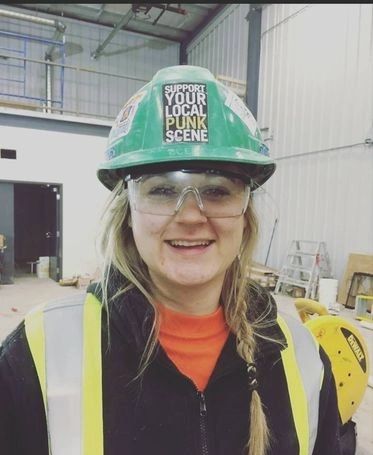
I’ll never forget the session where we worked through my experience in Fort McMurray. After processing the bullying and harassment, what surfaced underneath was grief — grief for the career I had lost. I truly loved my job in construction. I loved the hands-on work, the camaraderie, and the satisfaction of building something tangible. I was good at it, and I had a lot of fun. That loss had been buried beneath a shell of protection, but when I finally felt the grief, I understood its weight.
The truth is, if it weren’t for the harassment, bullying, and psychologically unsafe workplaces, I would have stayed. And that’s the heartbreaking reality — we lose good people in industries they love because the environment becomes too harmful to endure.
So, how do we stop this from happening? How do we keep great workers from walking away?
It starts with psychological safety. Companies need to create environments where workers feel valued, protected, and respected. That means having clear policies that actually get enforced—not just words in a handbook. It means leaders who don’t just look the other way when harassment happens, but actively step in to stop it. It means making sure employees know they can report concerns without fear of retaliation.
But beyond policies, it’s about culture. If the culture normalizes bullying, hazing, or harassment, nothing changes. Leaders need to set the tone by modeling respect, holding people accountable, and ensuring their teams know that safety—both physical and psychological—is non-negotiable.
Retention isn’t just about wages or benefits. It’s about making people feel like they belong. When workplaces fail to foster a sense of safety and respect, they don’t just lose employees—they lose knowledge, experience, and talent that may never return.
Losing skilled, passionate workers is a loss on every level. It’s a loss to the individual who had to walk away from a job they loved. It’s a loss to the team that relied on their expertise. It’s a loss to the industry as a whole, which continues to struggle with retention and recruitment, especially in trades and male-dominated fields.
If organizations truly want to stop this cycle, they need to recognize that psychological safety isn’t an optional perk—it’s the foundation of keeping people engaged, committed, and thriving. When people feel safe, they stay. And when they stay, they build stronger teams, better workplaces, and a more sustainable future for their industries.
Beyond losing a career, I lost parts of myself. During my time in construction, I envisioned myself as someone who would always be handy around the house, fixing things here and there. But shortly after I returned home, I gave away most of my tools. I lost interest. I didn’t want to see them anymore. It felt like giving away a piece of my identity, but I convinced myself someone else could use them more.
I lost the momentum I had built, the experience I had worked so hard to gain, and the money I had invested in my future in the trades. More than that, I lost my sense of direction. I had no idea what industry to go into or where to go next. It felt like starting from the bottom all over again.
I lost my sense of safety in the world, constantly feeling mistrustful and on edge in social situations. I lost my sense of safety at work, wondering if I would ever feel confident, capable, or respected in a workplace again. Vulnerability and fragility replaced the resilience I had once built, and I questioned how I would even begin to work again.
This is what happens when workplaces fail their people. The loss isn’t just a resignation letter—it’s a loss of potential, of security, of the future they envisioned for themselves. And that is something we should all care about.
I share this because healing is messy. Recovery doesn’t follow a straight path, and it rarely comes quickly. But every step forward, no matter how small, is progress. And for workplaces, the message is clear: if you want to keep your best people, build an environment where they feel safe enough to stay.
Trigger Warning: This post may be too raw for some, but I believe it’s important to illustrate the impact psychologically unsafe workplaces can have. This is a continuation of the personal story I have been telling through my blog series. In this post, I’ll be discussing the lowest points in my mental health journey, and that may be upsetting for some. Take care and reach out to your loved ones for support. If you are in Canada or the US, you can call or text 988 for support, anytime.
I was overjoyed when I moved from Fort McMurray to Edmonton; I believed I was going to get my life back on track. I had escaped the unsafe situations at my workplace in Fort McMurray. I thought a bigger city would be more civilized, respectful, and safe. It definitely was, but it wasn’t perfect, and the damage to my well-being had already been done. I thought I was going to be able to move on from my Fort McMurray experience without an issue, but I was mistaken. Over the next year, my mental and physical health deteriorated as I processed/absorbed and attempted to run from the trauma I had experienced.
I need to mention that this was not my first traumatic experience or brush with poor mental health. I have been managing anxiety and depression since I was 13 years old. My mental health would fluctuate, being somewhat normal at times and slipping into depressive periods where I was non-functional. I always managed to get myself out of the slumps, which made me confident that I had everything under control. My great support system rallied around me and helped bring me back out of the darkness. I also lived a full life with school, jobs, friends, and a romantic relationship. You probably wouldn’t have been able to tell there was anything wrong on the outside – I was a pro at hiding my pain.
What I’m trying to say is I didn’t come into Fort McMurray with no mental health concerns. That’s an important qualifier, but that does not negate the traumatic experience I had that significantly worsened my health. The truth is, that we are all human; we all experience various forms of trauma and pain, and we all have histories of injuries and experiences that we carry with us to every new workplace we enter. No workplace should ever exacerbate or worsen our health, regardless of our previous conditions.
I truly enjoyed my time in Edmonton; the city will always have a special place in my heart. I had newfound freedom and made a ton of friends to celebrate with. I worked on several construction sites and had a much better experience than Fort McMurray. Things were going well for me… except my health began to deteriorate.
I began to drink on many weeknights, and increasingly alone. I didn’t think much of it, and alcohol use is pretty common in construction, so I could easily brush it off as being one of the boys. I have distinct memories of drinking 6 tall boys or approximately 12 beers on a weeknight by myself, up until midnight, and then waking up at 4 or 5 am for work. This was tame compared to the substance abuse I saw in Fort McMurray.
Not only were my drinking habits changing, but my moods when I was drinking were also different. For the first time, I was occasionally an angry drunk. I had two incidents where I remember confronting or being verbally aggressive with a man about something related to being a woman (I cannot remember now what they were about). I remember reflecting after one of the situations that this was not a fun party trick I was developing.
Then I started having violent dreams and nightmares. The recurring dream I had was of me being chased or hunted by someone with a gun who wanted to kill me. I never knew the person, they never caught me, and I never felt safe. I think these started to get bad when I learned that my foreman fired for harassing me, was rehired by the company to another worksite. Nobody from the company informed me; I heard from two peers who still worked there.
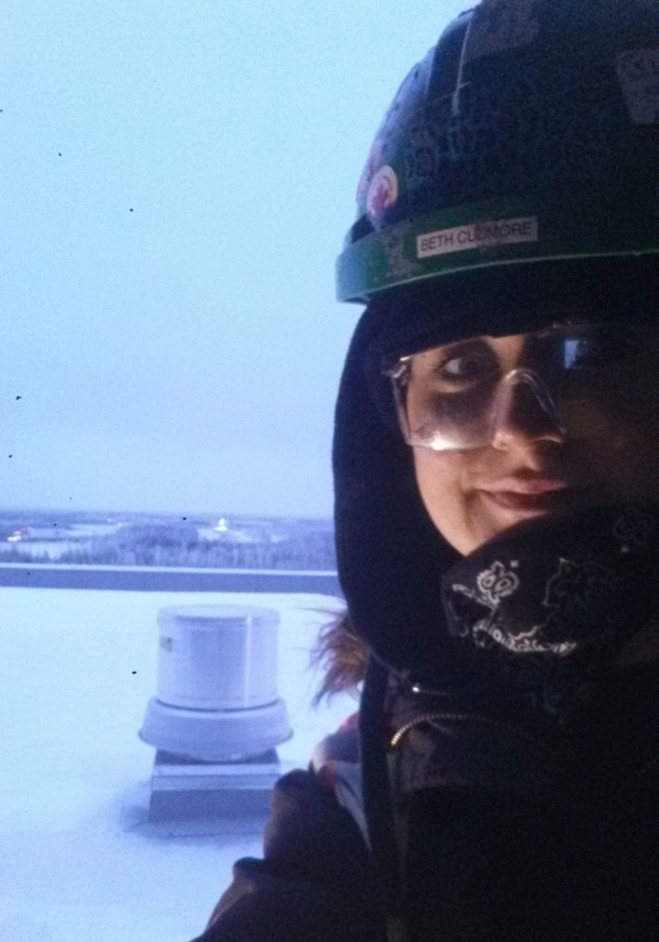
When I was still working in Fort McMurray, and after he was fired, I would imagine my foreman coming to the site to find me and kill me. I was so afraid of a possible retaliation. During my regular workday, I would map out my location in the room and the nearest exits, planning my escape if someone was going to attack me. I have a specific memory of being on a scissor lift, raised maybe 20 ft in the air, an exposed sitting duck, looking at the main entrance to the room and imagining him coming in with a gun. I would replay this vision regularly in Edmonton, an experience I now understand to be a flashback. Although I had left Fort McMurray, I was still living as if I was there almost every day, and the more I ran from it (through alcohol), the worse it got.
You have likely figured out by now that I was experiencing Post-Traumatic Stress Disorder, which is defined in the Oxford Dictionary as “a condition of persistent mental and emotional stress occurring as a result of injury or severe psychological shock, typically involving disturbance of sleep and constant vivid recall of the experience, with dulled responses to others and to the outside world.” I’m not going to go into the DSM definition or the nuances of PTSD. The point I’m making is that, thanks to my experience in Fort McMurray, I had just picked up another mental health diagnosis.
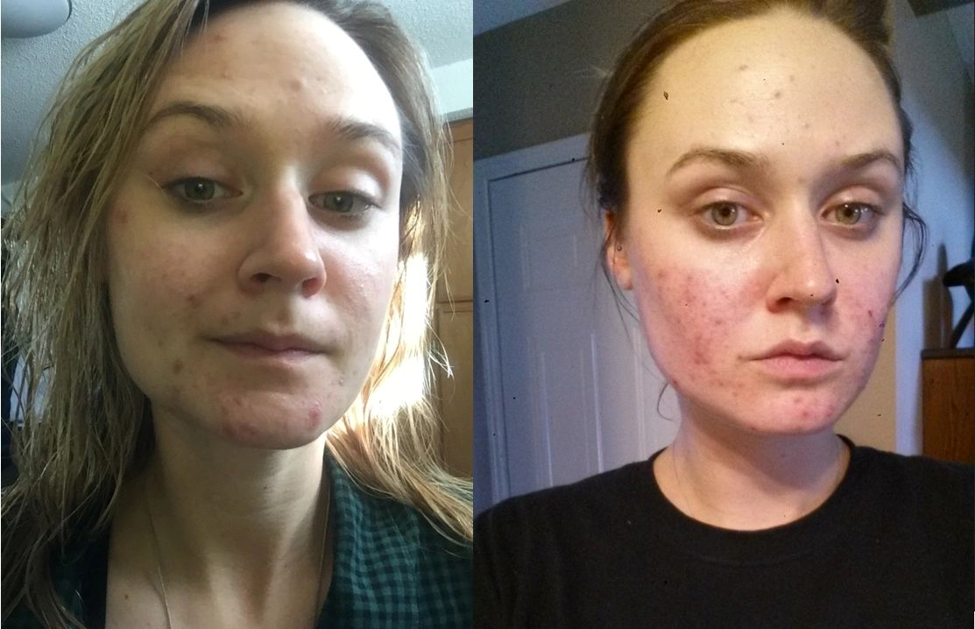
My physical health began to suffer as well, as both the physical nature of the job, my lack of self-care, and poor nutrition choices began compounding. The most noticeable change was the skin on my face, which was painful with the amount of acne I consistently had. I thought the acne was from dust and dirt on the construction sites, but it was more likely influenced my stress, alcohol, cigarettes, and my anxious habit of picking my face. My hands were showing the wear as well. I would look at my hands at the end of a workday and see cuts, dirt, callouses, and yellow fingers from cigarettes, and think, is this what I want my future to look like?
My stress also made itself known in my muscles, as I developed musculoskeletal injuries from poor ergonomics at work and stress. My body was in constant fight or flight, which meant my muscles were always tense from hypervigilance. I was performing a physically demanding and repetitive job with very little sleep, and poor nutrition, and my body was tense all the time. This led to the muscles in my neck and shoulders becoming solid like a brick wall, knots lined up next to each other. My chiropractor told me that I had a brick back a few years ago (in 2023). This injury affects me to this day, but more on that another time.
At the time, I was in constant physical pain, which I reported as an injury at work, and sought medical treatment, only to be prescribed muscle relaxers as the treatment from the doctor. I didn’t know what was going on with me but I knew that being 24 years old on muscle relaxers to function was a bad sign.
Through all of this, I was tough. I was toughing it out. I was an independent woman in the trades, and I was determined to make it work. Unfortunately, I was unwell and misguided about where I needed to go. I was so determined to run away from my problems and force myself to continue working that I forced myself into an infirmary. My situation was not helped by the fact that I was still being treated differently for being a woman in the trades in Edmonton.
My last foreman in Edmonton would openly talk about how women belong in the kitchen in front of me and my peers. He made a point to tell me he would not be hiring any more women because they were too distracting for his team. He never touched me, thankfully, but he made it very clear I was unwelcome. Not only was he verbally making me uncomfortable, but I would also be assigned tasks that other apprentices were not. We would regularly receive our material from a truck outside and load it onto a machine to take it into the building. We were working on the project in the middle of winter in Edmonton, so – 30 degrees Celsius temperature was the norm. For some reason, the other male apprentices would rotate who would unload the truck outside. I was always selected as the second person.
I quit that job without any plan because I could not cope with being at work anymore. I had a breakdown one week alone at the top of my scissor lift when my coworker came and pulled the e-stop while I was fully raised. This made me unable to control the scissor lift, I was stuck in place. The next week, one crude sexual joke in the lunchroom set me off, and I immediately quit. I was done exposing myself to this environment. My last few weeks in Edmonton were a surreal experience and the lowest point of my life as I tried to figure out what was next.
My life then revolved around driving to various parking lots and smoking cigarettes in my car. It was the only activity that comforted me (other than drinking alcohol). I couldn’t sleep due to violent dreams where I was being hunted, and couldn’t eat because I was constantly nauseous and had no appetite. My symptoms got worse when I was around groups of men or fighting with my boyfriend. When I would talk about my mental health with my boyfriend, I would feel like I was covered in tightly wrapped saran wrap, immobilized and gasping for breath. I was not able to express how I was feeling (because I didn’t understand) and he didn’t know how to support me. My anxiety was literally suffocating me.
When I was alone in my car smoking cigarettes and listening to music in random parking lots, I felt safe. When I drank alone, I felt free—a small window of reprieve from my nightmare existence. I knew this was unsustainable. I needed to go home to my family in Ontario, and I knew my relationship with my boyfriend was over. I had come to the end of the road and was in so deep that I could not get myself out of it alone. I decided to stop running from myself and do the healing that I had needed to do to finally be well. And that was the beginning of the next chapter of my life.
I must mention that my privilege allowed me to transition from the lowest point of my life to a warm safety net in my white, Canadian-born, middle-class family’s home. I had shelter, food, transportation – all of my basic needs covered. I had nothing to worry about except finding and paying for therapy and paying my basic personal bills. I cannot even imagine where I would be now if I did not have this privilege. I can imagine how people end up without homes and jobs when they come upon hard times. When you’re in crisis, it’s incredibly challenging to problem solve and it’s impossible without a good support system. This is why we need more robust support for people experiencing mental health concerns in general and specifically those experiencing bullying/harassment at work.
The Mental Health Toll of Unsafe Workplaces
Psychologically unsafe workplaces don’t just make employees uncomfortable—they can cause serious and lasting harm. According to research by the World Health Organization (WHO) and the Centre for Addiction and Mental Health (CAMH), hostile or toxic work environments are linked to an increased risk of anxiety, depression, burnout, and even post-traumatic stress disorder (PTSD). Here are some of the ways they impact mental health:
· Chronic Stress and Anxiety: Constant exposure to workplace hostility triggers a prolonged stress response, leading to issues like high blood pressure, digestive problems, and weakened immune function.
· Burnout and Emotional Exhaustion: Employees who are undermined, excluded, or harassed often experience burnout, which can manifest as extreme fatigue, irritability, and feelings of hopelessness.
· Post-Traumatic Stress Disorder (PTSD): Like my own experience, individuals who endure workplace harassment, bullying, or other traumatic events may develop PTSD, experiencing flashbacks, nightmares, and heightened vigilance.
· Increased Substance Use: Many people, including myself, turn to alcohol or other substances as a coping mechanism when they lack adequate support or resources to deal with workplace stress.
· Physical Manifestations: The mind-body connection means that psychological distress often leads to physical symptoms such as chronic pain, headaches, muscle tension, and digestive issues.
The reality is that our work environments shape our mental and physical health in profound ways. When workplaces are unsafe, employees pay the price in ways that extend far beyond the job site.
What You Can Do:
Recognize the Signs – If you’re experiencing increased stress, anxiety, depression, or physical symptoms, take them seriously. Your body is telling you something isn’t right.
Seek Support – Reach out to trusted colleagues, friends, family, or a therapist. Talking about your experience can help you process it and get guidance on what to do next.
Document Everything – If you’re dealing with harassment or discrimination, keep a record of incidents. This can be useful if you decide to report it.
Establish Boundaries – If possible, set limits on exposure to toxic individuals or situations at work.
Prioritize Your Well-being – If your workplace is making you ill, consider your options for changing roles, seeking accommodations, or even leaving the organization if necessary.
I share my story not just to reflect and heal, but to highlight a truth too many of us have lived: workplaces have a profound effect on mental health. A toxic job can derail lives, while a safe and supportive one can uplift them. It’s time we prioritize psychological safety in every workplace—because no one should have to suffer to make a living.
If you need help, please reach out to 988, or me. I’d love to share some resources I’ve become familiar with. If this post resonates with you, please share it with others. Let’s keep this conversation going. Thank you for reading.
Imagine walking into work every day, not with a sense of dread, but with the confidence that you’ve got someone in your corner. This is the shift I experienced next in my journey and this is the power of allies and bystanders in the workplace. They are the unsung heroes who can transform a toxic environment into a haven of respect and safety. In this post, I’ll share a personal story about an ally who truly changed my life and offer some practical ways we can all contribute to making our workplaces safer and more supportive.
After my foreman was fired, I was left to deal with the aftermath of bullying, trying to figure out how to keep going. Then, a new foreman arrived. Unfortunately, his behaviour was also inappropriate —though a bit more subtle. Instead of touching me directly, he would smack my behind with his clipboard. At this point, I had promised myself that I would never report harassment again. I figured I’d just tough it out for a while and see what happened next.
Then something amazing happened. A contractor named Miles was hired to help finish the project. He was a tall, big Norwegian guy. From the start, he was professional and respectful, and honestly, I immediately felt safe around him (which is funny because he was the largest man on the site). That feeling of safety around a coworker was an incredible relief. I started to feel hope.
I started helping him out whenever I could. After finishing my tasks, I’d sweep around his area or anticipate what tools he might need and offer a hand. It wasn’t just about getting the job done; it became about building a friendship and a working relationship that ended up providing me with support for the rest of my career in the trades.
Miles became a huge part of my professional life. He helped me land jobs at other sites, even warning the crews to treat me right because I was there to work and get the job done. Thanks to him, I could show up at new job sites and work without being questioned or harassed. He saw me for my work ethic and ability, and that made all the difference in helping me feel safe and supported.
Allies and Bystanders – What Can You Do?
Allies and bystanders are a crucial element in creating a supportive workplace culture. Here’s how you can make a real impact:
Step Up and Intervene: Don’t stay silent if you see harassment or bullying happening. Step in, support the person being targeted, or report the incident. Your actions can stop harassment in its tracks. Miles never directly confronted anyone about how I was treated, but he didn’t need to. Just his presence changed things. My coworkers knew they couldn’t get away with bad behavior when Miles was around. Honestly, I was too embarrassed to tell him what I was going through, but I was certain he would’ve stepped up if I had.
Model Respectful Behavior: When you treat everyone with respect, you set the tone for the workplace, especially when you are in a position of power. If you see or hear something that crosses the line—like discriminatory jokes or comments—speak up. Miles set the example by being respectful and professional, which made me trust him immediately. That trust made me feel safe around him.
Offer Genuine Support: Be there for your colleagues. Listen to them, offer resources, and help them find their options. It might not seem like much, but your support could change everything for someone. Miles wasn’t an overly emotional guy (and he still doesn’t know the full extent of my story), but he was there for me just by being a supportive boss. He was patient when he trained me, and when he could see I was struggling, he helped me land a new role in Edmonton. I’ll never forget the day he accepted the hug I gave him when he told me I was leaving Fort McMurray. At that moment, I felt like he was my savior.
Advocate for Change: Use your voice to push for better policies and training in your organization. Advocate for a culture that prioritizes psychological safety. While I don’t think Miles was out there pushing for specific policies, he was a contractor who always brought positive, rational energy to the sites he worked on. Even if he wasn’t leading the charge on policy change, he was a voice of reason that made a real difference on the job.
The Impact of Allies and Bystanders
Allies and bystanders can change everything. Here’s how they make a huge impact:
Breaking the Silence: Allies help break the silence around harassment and bullying. When someone steps up, takes action, and speaks out, it disrupts the cycle of abuse and creates a safer environment for everyone.
Empowering the Vulnerable: When victims see that others are standing up for them, it empowers them. It shows that they’re not alone, and that there are people who’ve got their back. It gives them the strength to stand up for themselves, too.
Creating a Ripple Effect: One act of allyship can lead to many more. When one person steps in, it encourages others to do the same. That ripple effect can change the entire culture of a workplace, where respect and safety become the standard.
Enhancing Trust and Morale: When allies and bystanders are actively supporting each other, it builds trust and boosts morale. People feel valued, respected, and safer in their work environment. It’s the kind of positive energy that creates a better place to work, and when people feel good, they do better work.
Preventing Retaliation: Allies can help protect victims from retaliation by making it clear that harassment and bullying won’t be tolerated. Their support can deter potential aggressors and create a safer environment for reporting incidents.
A workplace where allies and bystanders step up to create psychological safety is not just a dream—it’s a necessity. My experience with Miles shows the profound impact one person can have in fostering a safe and supportive environment for one person, even when the overall workplace culture is toxic. When we recognize and embrace the importance of being allies and proactive bystanders, we pave the way for workplaces where everyone feels valued, respected, and protected.
In the next part of this series, I’m going to explore the critical link between mental health and workplace safety, and how organizations can do more to support the mental well-being of their employees. Stay tuned for insights on how we can create a work environment that truly supports it’s people physically and mentally. Until next week, stay safe my friends!
Okay, I realize I may lose friends and colleagues for this post… because I’m guessing right now your life is a little chaotic. We’re coming into the holiday season, winter weather, and wrapping up year-end. Could we be any busier? Yes, we probably could, and we could also be less busy. What would you do if you were less busy? Have you thought of that? Have you had time to explore what non-busyness looks like? In our fast-paced world, chaos seems to be the default setting. It’s easy to get swept up in the constant rush, the endless to-do lists, and the overwhelming pressure to keep up. But amidst my noise and frenzy in the past, I discovered a powerful truth – the chaos is easy, the calm is hard. And yet, it’s the calm that truly allows us to thrive.
Chaos is the whirlwind of tasks, deadlines, and stress that keeps us constantly on the move. It’s the reactive state where we’re always putting out fires, often at the expense of our well-being. Calm, on the other hand, is about intentional actions, mental clarity, and proactive planning. It’s a state of mind that requires effort and practice to achieve, but its rewards are profound.
My life for a decade was a constant period of chaos—manufactured chaos, I should specify. Every day felt like a battle, with constant interruptions, shifting priorities, and a pervasive sense of urgency. I was cycling from one crisis to the next and fitting in breaks to indulge in various forms of consumption and addictions. It wasn’t all my creation; there were stressors and traumas I couldn’t control, as we all have. But I wasn’t letting myself find the calm between these uncontrollable stressors—I was perpetuating the chaos.
It wasn’t until I started making different, conscious choices and putting myself in healthier situations that I realized – the chaos is easy, the calm is hard. The chaos is stressful and takes a toll on our physical and psychological health, no doubt. I say that it’s easy because in the chaos, the next step is very often clear. You are in the moment, putting one foot in front of the other. You are living, surviving through this challenge. You have the help of adrenaline and cortisol—nature’s Red Bull giving you wings to fly through each challenge that comes your way. The chaos is exciting, engaging, demanding, fulfilling. The chaos gives you purpose. The chaos distracts you from all else.
And then, when it stops, you are alone. The adrenaline and cortisol are gone. You are tired. You want to rest. You have no motivation. You have no direction. You have no sense of purpose, no North Star. You are no longer needed, and your friends have all gone home. You are left with yourself to think about everything you were avoiding and all the regrets you have about your life. And that, is uncomfortable.
But that is where the magic happens. The calm is where we rest and recover. It’s where we show ourselves the self-love and care we have earned. The calm is where we look at the mess we’ve made, clean it all up, and get ready for the next chaos. The calm is where we grow—a time when we can truly absorb the feats we’ve achieved. In the same way, we need rest and recovery after exercise, we need the calm after the chaos to reset and get ready to go back in the ring. If we don’t allow ourselves this time, we will never be as strong as we can be, going from chaos to chaos, fight to fight with dwindling resources. “One more coffee, and I will get through today. I will worry about tomorrow, tomorrow.”
The calm is where we listen and learn. It’s an opportunity to be with ourselves, but that is scary. It took me a very long time to be okay with being quiet and still with myself. Years of knowing meditation would be good for me was not enough to convince me to commit to it. Something about being still and quiet made my skin crawl (and it was more than my ADHD, I swear). Today, the best ideas I get are after a good meditation session (where I was working on meditating, not thinking). The simple act of clearing the mind allows for clarity to come through.
In the calm, we find our center and our true selves (I promise you’re not as scary as you think you are). It’s a powerful place where creativity blossoms, solutions to problems become clear, and inner peace is restored. The calm gives us the space to reflect, to understand our deeper needs and desires, and to align our actions with our values. It’s in the calm that we build resilience, develop patience, and cultivate the wisdom to handle future chaos more effectively. The calm is not just a break from the storm; it is the foundation that strengthens us, making us more capable and healthy individuals.
So, as you are going through this chaotic period, take some time for calm, whenever and wherever you can. You may not have many opportunities, but please try to find some. And when you do find them, unplug, settle in, get comfy, and let yourself be. Don’t perpetuate the chaos. Don’t run from yourself. Embrace the calm and let it empower you to face the next chaos with renewed strength and clarity.
P.S. The photo is of “Miss Chaos”, my former self. She sure went places and had a lot of fun, but at a cost… mostly in sleep, sanity, and the occasional questionable decision.
The decision to report harassment in the workplace can be a step towards justice, but in the wrong environment, it can also be a leap into an abyss of uncertainty and fear. In Part 1, I shared my initial experiences with workplace bullying and harassment. In Part 2, I delved into the nuances of harassment and bullying. Now, in Part 3, I will discuss the critical issue of reporting and retaliation, drawing from personal experiences to shed light on how important this process is to be taken seriously. The experience of reporting and the retaliation I received was worse than the initial harassment and showed me that not only were my coworkers not approving of reporting harassment, they would do anything to prevent someone from doing it.
My Personal Experience with Reporting and Retaliation
After enduring inappropriate behavior from my foreman, I finally mustered the courage to ask him to stop touching me. I told him that I would not be reporting him and we could continue to work together, but he needed to stop touching me. Instead of respecting my boundaries, he reported my complaint to the site superintendent, trying to frame me as the problem.
The site superintendent asked to see me to explain the company’s zero-tolerance policy for sexual harassment and ask if I wanted my foreman fired. I said no; I just wanted him to stop touching me. The site superintendent said at the very least, we should change my camp room so my foreman didn’t know where I was staying (sometimes when I would leave my room, he would be standing outside my door). While we were back at camp, my coworker called to inform me that my foreman was making threats to “take me down” to our coworkers at the job site. My coworker urged me to have him fired for my safety. Confused and scared, I agreed and told my superintendent to fire my foreman.
When we returned to the site, I was isolated in a trailer alone with no communication about what was happening. After a long, anxious wait, I was told I could return to work. Around a half an hour later, I was alone on the second floor, working on a ladder, when my foreman that I had just reported brushed past me and said, “You’re welcome for your job.” I immediately fled back to the trailer, realizing they had allowed him to roam alone around the site after he’d been fired. Alone again in the trailer, I watched him get escorted offsite. Then I went back to work.
If I could turn back time and do it all again, knowing how it would have played out, I would have left before I confronted my foreman. That’s when it escalated beyond control and snowballed into a horrifying experience. I would have packed up my things and returned home, but that’s not what I did because I thought I needed the job, and I did, but I could have gone home to Ontario.
The harassment I experienced from my foreman was nothing compared to the bullying I received afterward. My team (the plumbers and sheet metal workers) would all joke about needing to stay 3 feet away from me, throwing the tape on their tape measure towards me when I entered a room to emphasize their point. Some of the men blamed me for my foreman’s firing and communicated their disapproval to me. Socially isolated and judged, I felt like an outcast, and I knew there was no one to turn to, so I did whatever I could to survive. When I would leave my camp room in the morning, I felt like I was putting on invisible armor that would protect me from whatever came my way, a barrier that would prevent me from feeling any emotions or reactions to interactions. An invisible cloak that would numb me. My moments of solace were in the portable bathrooms, knowing no one could bother me in the woman’s washroom because I was the only woman onsite.
Challenges of Reporting
Fear of Retaliation: Many employees fear that reporting will lead to retaliation, as I experienced firsthand. This can include verbal abuse, social ostracism, or even threats to physical safety. This is a very real threat as you can see by my experience.
Inadequate Support Systems: Often, organizations lack the necessary support systems to protect employees who come forward. In my case, the response was insufficient and failed to provide real protection. No one from health and safety or human resources ever contacted me or checked in with me when the event happened or afterwards.
Cultural Acceptance: A workplace culture that tolerates or even encourages inappropriate behavior makes it incredibly difficult for victims to come forward. In my case, the culture discouraged reporting.
Misuse of Reporting Systems
Reporting systems are designed to protect victims, but unfortunately, they are sometimes misused, undermining their purpose and endangering true victims. This misuse can create a climate of fear and hostility, particularly in male-dominated industries.
Misuse as a Weapon: Some individuals report harassment to manipulate workplace dynamics or retaliate against managers. This devalues legitimate claims and can lead to skepticism towards genuine reports. I saw this too. I was in a waiting room, and a woman beside me was talking about how she should have claimed harassment to get $10,000 and buy a boat. It disgusted me to hear of someone using the system that failed me to their advantage. I understood at that moment that this system was being weaponized and that likely led to my experience being worse.
Fear of Unfair Accusations: Many men fear that harassment reports will be weaponized against them unfairly, leading to pre-emptive bullying and intimidation of women to prevent them from reporting. I believe some of the bullying I received initially was to intimidate me so that I wouldn’t report any harassment or bullying. It felt like a power play between some of my male coworkers and me, and I believe that stems from a fear of losing their jobs. I heard several accounts of men who believed that a woman reporting harassment and getting a man fired is too much power and they don’t believe it is right. This means the fear of the consequences is compounding the problem and creating more harassment and bullying.
Reporting harassment and bullying in the workplace takes a lot of courage. My experience has shown me how critical it is to have solid support systems and a culture that protects those who speak up. It also highlighted how reporting systems can be misused, making it even tougher for real victims.
When I reflect on my experience and my current situation, I ask myself, “Would I report harassment if it was happening to me today?” After my experience in Fort McMurray, I promised myself that I would never report harassment again for fear of retribution. At the time, I believed the system didn’t work and didn’t protect me, so I chose not to participate. Today, if you asked me if I would report harassment or bullying that I was on the receiving end of, I would answer, “It depends.” I would assess the situation and ask myself many questions before reporting.
First, I would ask, “Do I really need this job?” This is probably the toughest and most important question because if you do not have a culture that supports you, you may be putting yourself at more risk. If I had other options, I would leave and find another job, especially if it’s my supervisor harassing me. Unfortunately, many people need their jobs, and as I mentioned in a previous post, this experience showed me how privileged I am and how others do not share those privileges. My privilege would have given me an out, as I have a supportive family in Ontario that would have helped me. This is not the case for so many workers, putting them at a higher risk as they are likely to stay and not report.
If I wanted to stay or had to stay, I would then assess the workplace culture and the available policies and support systems. Does it appear that harassment and bullying are tolerated or even encouraged? Have you mentioned your experiences to anyone, and were they receptive? Does your company have policies on workplace harassment and bullying (likely they do because this is mandatory)? Do they post these policies? Were you trained on them? Have you seen them being promoted? Is there a confidential reporting system and a local HR contact? These are all questions I would use to assess the workplace culture and the systems available to support you. Personally, if the answers to these questions were mostly no, I would not report. I’m not condoning or recommending anything to anyone, I’m just honestly sharing my perspective from what I’ve experienced and my observations of health and safety systems in action. Systems are designed to help people, but they don’t always work. We can do better, and we can and will.
By sharing my story, I hope to create awareness of these issues and stand together so we can push for the changes needed to make more workplaces free from fear and retaliation. Let’s work towards a future where everyone feels safe, respected, and empowered to speak out. If you’ve experienced or witnessed workplace harassment or bullying, your voice matters. Share your thoughts, support your coworkers, and be part of the change. Together, we can make our workplaces safe spaces where everyone feels valued.
Workplace harassment and bullying are more common than we often realize, and they happen in all industries and environments. Sometimes they come from one person, sometimes they’re part of a larger cultural problem. They can cause lasting harm, making employees feel unsafe, unsupported, and isolated. But whether it’s harassment, bullying, or both, it’s something that all employees should be aware of, and organizations must work to prevent it.
Let’s break it down and talk about how we can create a safer workplace for everyone.
What is Workplace Harassment and Bullying?
Workplace harassment can include any unwelcome or offensive behavior based on personal characteristics, like gender, race, religion, or other traits. It’s behavior that makes someone feel humiliated, distressed, or unsafe—often linked to discrimination. This can take the form of verbal abuse, physical misconduct, or unwanted advances.
Workplace bullying, on the other hand, often involves repetitive actions aimed at intimidating, degrading, or humiliating someone. It’s not just one-off behavior but rather a pattern of treatment that creates a hostile work environment. Bullying can happen because of someone’s personality, work performance, or sometimes just because they’re different.
My Personal Experience with Workplace Harassment and Bullying
During my time at Fort McMurray, I experienced both harassment and bullying in the workplace. My story begins with a supervisor—someone I thought was looking out for me. I faced a rude awakening on my first day of work when he told me to meet him at his camp room in the morning to get a ride to the worksite. When I arrived at his room, he invited me in for a few minutes and then got on his bed. I was confused as to why we weren’t leaving and had an immediate sense that something was not right. With no alternative contact to get to work, I played along with his direction and questioned my instincts.
Over a period of months, while I worked with him, his advances progressed from invitations to dinner to touching me at work. He started slowly one day with my arm, a few weeks later my back, and eventually, my thigh, integrating these advances with work discussion. When I confided in coworkers, they dismissed it, saying things like, “What did you expect?” Someone told me they wouldn’t let their sister work here.
At the same time, I was facing bullying from a peer—someone I had considered a friend. This person would repeatedly call me derogatory names and insult me in front of others, making the work environment feel toxic. The constant bullying wore me down, and combined with the escalating sexual harassment from my supervisor, I knew I was in a bad situation. I realized nobody was coming to save me, so I confronted my supervisor and asked him to stop. That’s a story for my next post, but it’s safe to say, it did not end how I had expected.
What Went Wrong?
Looking back, it’s clear that the problem was much bigger than just one person. There were system-wide failures that allowed harassment and bullying to thrive. Here’s where things went wrong:
Lack of Awareness and Training: There were no programs that I was aware of to help employees and managers recognize harassment or bullying. I didn’t know how to identify or stop these behaviors.
Insufficient Reporting Systems: The company didn’t have a clear, confidential system to report harassment or bullying. Even if I had reported, it likely wouldn’t have been taken seriously.
Cultural Tolerance of Toxic Behavior: The workplace culture was toxic—harassment was dismissed, bullying was normalized, and victims were often blamed. It was clear that standing up for myself could have had serious consequences.
The Impact of Harassment and Bullying
Harassment and bullying aren’t just personal problems; they affect everyone in the workplace. They can reduce morale, lower productivity, and contribute to high turnover rates. Studies show that organizations lose billions of dollars each year because of these issues. But the human cost is even greater. Victims can face long-term mental health challenges like anxiety, depression, and PTSD. That’s exactly what happened to me.
What Can We Do?
It’s up to all of us to prevent bullying and harassment from happening in the workplace. Here’s how:
Speak Up: Don’t stay silent if you witness bullying or harassment. Saying something—even just checking in with the victim—can make a huge difference.
Create a Safe Reporting System: Workplaces must have confidential, clear reporting systems where employees feel safe sharing their experiences.
Foster Respect: Encourage a culture where all employees are treated with respect. Set the tone from the top down and hold everyone accountable for their behavior.
Provide Education: Training programs are essential. All employees—especially managers—should know how to recognize, respond to, and prevent harassment and bullying.
Let’s Talk
Have you experienced bullying or harassment at work? Or maybe you’ve witnessed it? I’d love to hear your stories. What did you do? How did it make you feel? By sharing our experiences and taking action together, we can start creating safer, more supportive workplaces. Let’s stand up to workplace harassment and bullying—together.