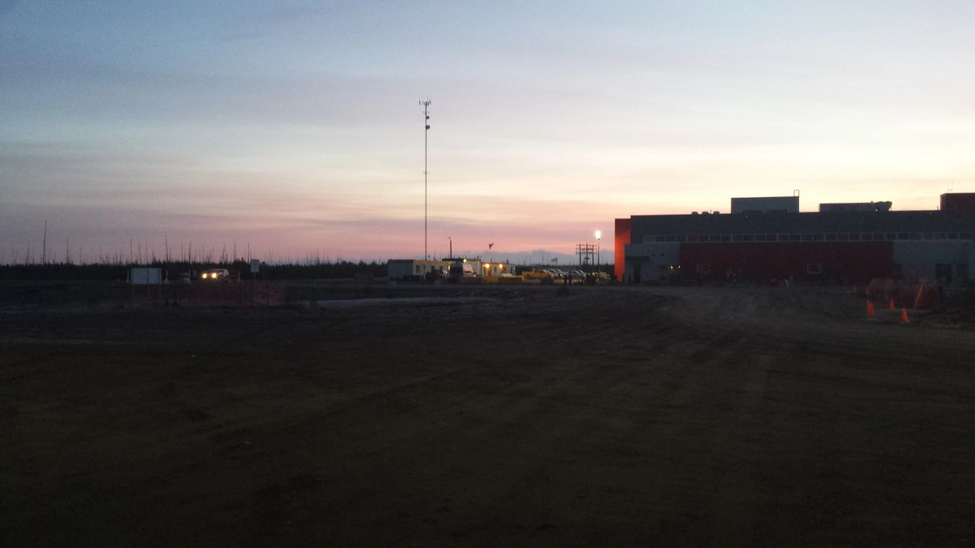

The decision to report harassment in the workplace can be a step towards justice, but in the wrong environment, it can also be a leap into an abyss of uncertainty and fear. In Part 1, I shared my initial experiences with workplace bullying and harassment. In Part 2, I delved into the nuances of harassment and bullying. Now, in Part 3, I will discuss the critical issue of reporting and retaliation, drawing from personal experiences to shed light on how important this process is to be taken seriously. The experience of reporting and the retaliation I received was worse than the initial harassment and showed me that not only were my coworkers not approving of reporting harassment, they would do anything to prevent someone from doing it.
My Personal Experience with Reporting and Retaliation
After enduring inappropriate behavior from my foreman, I finally mustered the courage to ask him to stop touching me. I told him that I would not be reporting him and we could continue to work together, but he needed to stop touching me. Instead of respecting my boundaries, he reported my complaint to the site superintendent, trying to frame me as the problem.
The site superintendent asked to see me to explain the company’s zero-tolerance policy for sexual harassment and ask if I wanted my foreman fired. I said no; I just wanted him to stop touching me. The site superintendent said at the very least, we should change my camp room so my foreman didn’t know where I was staying (sometimes when I would leave my room, he would be standing outside my door). While we were back at camp, my coworker called to inform me that my foreman was making threats to “take me down” to our coworkers at the job site. My coworker urged me to have him fired for my safety. Confused and scared, I agreed and told my superintendent to fire my foreman.
When we returned to the site, I was isolated in a trailer alone with no communication about what was happening. After a long, anxious wait, I was told I could return to work. Around a half an hour later, I was alone on the second floor, working on a ladder, when my foreman that I had just reported brushed past me and said, “You’re welcome for your job.” I immediately fled back to the trailer, realizing they had allowed him to roam alone around the site after he’d been fired. Alone again in the trailer, I watched him get escorted offsite. Then I went back to work.
If I could turn back time and do it all again, knowing how it would have played out, I would have left before I confronted my foreman. That’s when it escalated beyond control and snowballed into a horrifying experience. I would have packed up my things and returned home, but that’s not what I did because I thought I needed the job, and I did, but I could have gone home to Ontario.
The harassment I experienced from my foreman was nothing compared to the bullying I received afterward. My team (the plumbers and sheet metal workers) would all joke about needing to stay 3 feet away from me, throwing the tape on their tape measure towards me when I entered a room to emphasize their point. Some of the men blamed me for my foreman’s firing and communicated their disapproval to me. Socially isolated and judged, I felt like an outcast, and I knew there was no one to turn to, so I did whatever I could to survive. When I would leave my camp room in the morning, I felt like I was putting on invisible armor that would protect me from whatever came my way, a barrier that would prevent me from feeling any emotions or reactions to interactions. An invisible cloak that would numb me. My moments of solace were in the portable bathrooms, knowing no one could bother me in the woman’s washroom because I was the only woman onsite.
Challenges of Reporting
- Fear of Retaliation: Many employees fear that reporting will lead to retaliation, as I experienced firsthand. This can include verbal abuse, social ostracism, or even threats to physical safety. This is a very real threat as you can see by my experience.
- Inadequate Support Systems: Often, organizations lack the necessary support systems to protect employees who come forward. In my case, the response was insufficient and failed to provide real protection. No one from health and safety or human resources ever contacted me or checked in with me when the event happened or afterwards.
- Cultural Acceptance: A workplace culture that tolerates or even encourages inappropriate behavior makes it incredibly difficult for victims to come forward. In my case, the culture discouraged reporting.
Misuse of Reporting Systems
Reporting systems are designed to protect victims, but unfortunately, they are sometimes misused, undermining their purpose and endangering true victims. This misuse can create a climate of fear and hostility, particularly in male-dominated industries.
- Misuse as a Weapon: Some individuals report harassment to manipulate workplace dynamics or retaliate against managers. This devalues legitimate claims and can lead to skepticism towards genuine reports. I saw this too. I was in a waiting room, and a woman beside me was talking about how she should have claimed harassment to get $10,000 and buy a boat. It disgusted me to hear of someone using the system that failed me to their advantage. I understood at that moment that this system was being weaponized and that likely led to my experience being worse.
- Fear of Unfair Accusations: Many men fear that harassment reports will be weaponized against them unfairly, leading to pre-emptive bullying and intimidation of women to prevent them from reporting. I believe some of the bullying I received initially was to intimidate me so that I wouldn’t report any harassment or bullying. It felt like a power play between some of my male coworkers and me, and I believe that stems from a fear of losing their jobs. I heard several accounts of men who believed that a woman reporting harassment and getting a man fired is too much power and they don’t believe it is right. This means the fear of the consequences is compounding the problem and creating more harassment and bullying.
Reporting harassment and bullying in the workplace takes a lot of courage. My experience has shown me how critical it is to have solid support systems and a culture that protects those who speak up. It also highlighted how reporting systems can be misused, making it even tougher for real victims.
When I reflect on my experience and my current situation, I ask myself, “Would I report harassment if it was happening to me today?” After my experience in Fort McMurray, I promised myself that I would never report harassment again for fear of retribution. At the time, I believed the system didn’t work and didn’t protect me, so I chose not to participate. Today, if you asked me if I would report harassment or bullying that I was on the receiving end of, I would answer, “It depends.” I would assess the situation and ask myself many questions before reporting.
First, I would ask, “Do I really need this job?” This is probably the toughest and most important question because if you do not have a culture that supports you, you may be putting yourself at more risk. If I had other options, I would leave and find another job, especially if it’s my supervisor harassing me. Unfortunately, many people need their jobs, and as I mentioned in a previous post, this experience showed me how privileged I am and how others do not share those privileges. My privilege would have given me an out, as I have a supportive family in Ontario that would have helped me. This is not the case for so many workers, putting them at a higher risk as they are likely to stay and not report.
If I wanted to stay or had to stay, I would then assess the workplace culture and the available policies and support systems. Does it appear that harassment and bullying are tolerated or even encouraged? Have you mentioned your experiences to anyone, and were they receptive? Does your company have policies on workplace harassment and bullying (likely they do because this is mandatory)? Do they post these policies? Were you trained on them? Have you seen them being promoted? Is there a confidential reporting system and a local HR contact? These are all questions I would use to assess the workplace culture and the systems available to support you. Personally, if the answers to these questions were mostly no, I would not report. I’m not condoning or recommending anything to anyone, I’m just honestly sharing my perspective from what I’ve experienced and my observations of health and safety systems in action. Systems are designed to help people, but they don’t always work. We can do better, and we can and will.
By sharing my story, I hope to create awareness of these issues and stand together so we can push for the changes needed to make more workplaces free from fear and retaliation. Let’s work towards a future where everyone feels safe, respected, and empowered to speak out. If you’ve experienced or witnessed workplace harassment or bullying, your voice matters. Share your thoughts, support your coworkers, and be part of the change. Together, we can make our workplaces safe spaces where everyone feels valued.
#psychologicalsafety #workplaceharassment #workplacebullying #mentalhealthatwork #respectatwork #inclusiveworkplace #safeworkplace #employeewellbeing #empowerment #culturechange